Level 2 EV Charger Installation in King City
Roughly 30 to 50 km of range an hour is what a Level 2 circuit banks while you sleep, enough to refill overnight no matter the day's driving. The King City wrinkle is purely one of distance: carrying that 240-volt feed cleanly from the house out to a detached garage parked well down the driveway.
Published
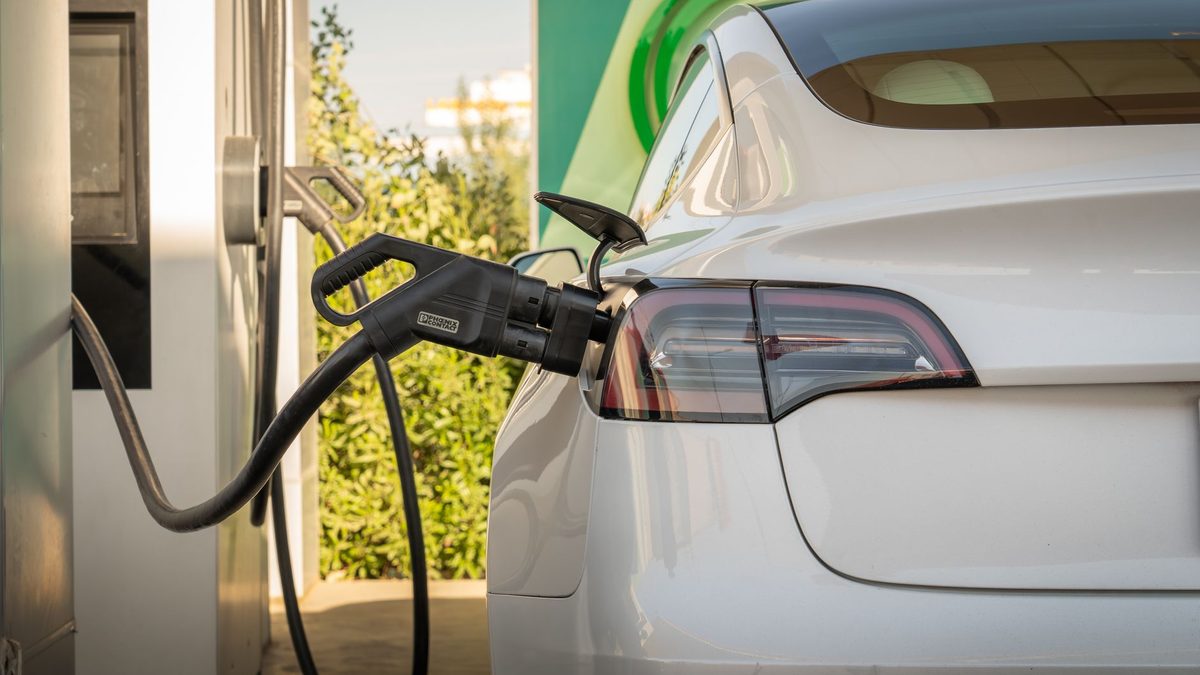
For King City homeowners, the appeal of Level 2 is the same as anywhere, a dedicated 240-volt circuit that tops the car up overnight, but the install is its own animal. King City EV Charger Pros works on estate lots where the car charges in a detached garage or coach house a long way from the main panel, so the job is as much about routing the feed across the property as it is about the charger on the wall. This guide leads with that run, because on a King City property it is what makes or breaks the install.
Getting the circuit from the house to the garage
Start with the path, because on these lots it is the whole job. The panel usually sits in the main house, and the parking is in a detached structure tens of metres away. Getting a clean 240-volt feed there generally takes one of a few routes:
- Underground in a trench across the lot, the tidiest and most common choice for a detached garage or coach house
- Along an existing structure or fence line in conduit, where the layout allows
- Through an existing subpanel in the outbuilding, if one is already fed and has capacity
Trenching is frequent here because it protects the run and keeps it out of sight on a property where appearance matters. We bury the feed at the correct depth in conduit and bring it up at the charger.
Long runs and voltage drop
Push a circuit far enough and physics takes a cut: by the time the current reaches a garage parked tens of metres down the driveway, the charger reads a touch less voltage than left the Hydro One panel back at the house. On a compact lot that loss is a rounding error. Across a King City estate run it is a number we actually calculate, then answer by stepping the conductor up a gauge or two from what a short suburban feed would call for, so the unit still puts out its full rated speed at the cold end of the property. This is precisely where an underbid hides its corner-cutting, trimming the wire to win the price and leaving you with a charger that quietly underperforms at the garage. We size the conductor to the distance, every time.
What Level 2 buys you over the wall plug
The reason it is worth the effort: the cord that ships with the car draws from an ordinary outlet and claws back only about 6 to 8 km of range an hour, useless if you commute toward Toronto or run errands across the township. A 240-volt Level 2 circuit returns roughly 30 to 50 km in that same hour, so one overnight session at the far garage covers a full day of driving with room to spare. The full Level 2 service page lists the units we install.
Older rural panels and capacity
Many established King City homes on Hydro One service carry an older 100-amp panel that predates heavy electric loads. Before any charger goes in, a load calculation measures your existing demand against the service. Where it is tight, a panel upgrade or a smart charger with load management keeps everything within safe limits. Newer estate builds often carry 200 amps and take a charger comfortably. Our cost guide covers how the panel decision affects the price.
Sizing the unit to your car
The headline number on a Level 2 unit can read as high as 48 amps, but no charger feeds your car faster than its own onboard charger will accept, and on most EVs that acceptance rate falls between 32 and 48 amps. So we work backwards from the vehicle: the car's limit sets the unit, the unit sets the breaker, and you never pay to push current the battery was never going to take. On an estate where a second EV in the household is a fair bet, we spec the circuit with a touch of room to carry a higher-draw vehicle down the road without re-pulling the long feed. If you drive a Tesla, our Tesla charger guide covers that specific setup.
Plug-in or hard-wired on an estate
Speed is not the deciding factor here, since both wiring methods land at the same Level 2 rate. The split is about permanence. Hard-wiring ties the unit straight into the circuit, which gives the cleanest wall and unlocks the top amperage on chargers that offer it, the natural fit for a fixed bay in a detached garage that is not going anywhere. The plug-in route runs the circuit to a dedicated NEMA 14-50 outlet instead, so the charger lifts off and travels with you if the estate ever changes hands. Out here the calculus tilts toward hard-wiring more often than not, because once a trenched feed has crossed half an acre of yard you want it terminated permanently rather than hanging off a cord. While the route is still open ground and the conduit is still exposed, it costs almost nothing to leave a spare circuit slot or run a slightly heavier feed for a future second car. Sealing that same provision back up after the trench is filled and the garage wall is finished is the expensive version of the same decision, so we flag it at the assessment rather than after. Even so, the final call follows how you actually use the garage.
What to send before requesting a quote
- Your EV model, so we size the circuit correctly
- A photo of your panel with the door open
- A photo of the garage or coach house and the proposed charger location
- Rough distance from the house panel to that spot, and whether the route is open yard or finished space
Picture the run from your house to your garage and you already know the hard part of the job. Hand those details to the King City EV Charger Pros team through our free quote form, and back comes a fixed price with the feed sized properly for the distance, the trench and ESA inspection rolled in wherever the estate layout calls for them.
Frequently asked
How is power run to a detached garage charger in King City?+
Usually by trenching an underground feed across the lot in conduit, which protects the run and keeps it out of sight on an estate property. Where the layout allows, the feed can also follow an existing structure or fence line, or tie into a subpanel already in the outbuilding. The charger then sits on the garage wall at the far end.
Does a long cable run affect my Level 2 charging speed in King City?+
Only if the conductor is sized too thin for the distance. Push current the length of an estate driveway and a little voltage slips away before it reaches the garage, so we calculate that loss up front and step the gauge up to cover it. Sized properly, the unit holds its full rated speed at the far bay. The slow-charging complaints come from feeds someone undersized to shave the quote.
Will Level 2 work on my older 100-amp King City panel?+
Often yes, but it depends on your service. Many established King City homes on Hydro One sit on an older 100-amp panel, and a load calculation checks whether the new circuit fits. If there is no headroom, a panel upgrade or a load-managing smart charger keeps the install safe.
How long does a Level 2 install take on a King City estate?+
A short run from an attached garage panel is often a same-day job of three to four hours. A long run to a detached garage or coach house, especially one needing a trench, takes longer because of the routing and excavation. We flag the realistic timeline before starting so the cross-property work is no surprise.
Should I choose hard-wired or plug-in for my King City garage?+
Speed is identical either way, so the choice is about permanence. Hard-wiring gives the cleanest finish and the top amperage on units that support it, ideal for a fixed bay in a detached garage. A plug-in NEMA 14-50 setup lets the charger travel if the property changes hands. After a feed has crossed half an acre of yard, hard-wiring is usually the answer that fits, though we still match it to how you use the garage.